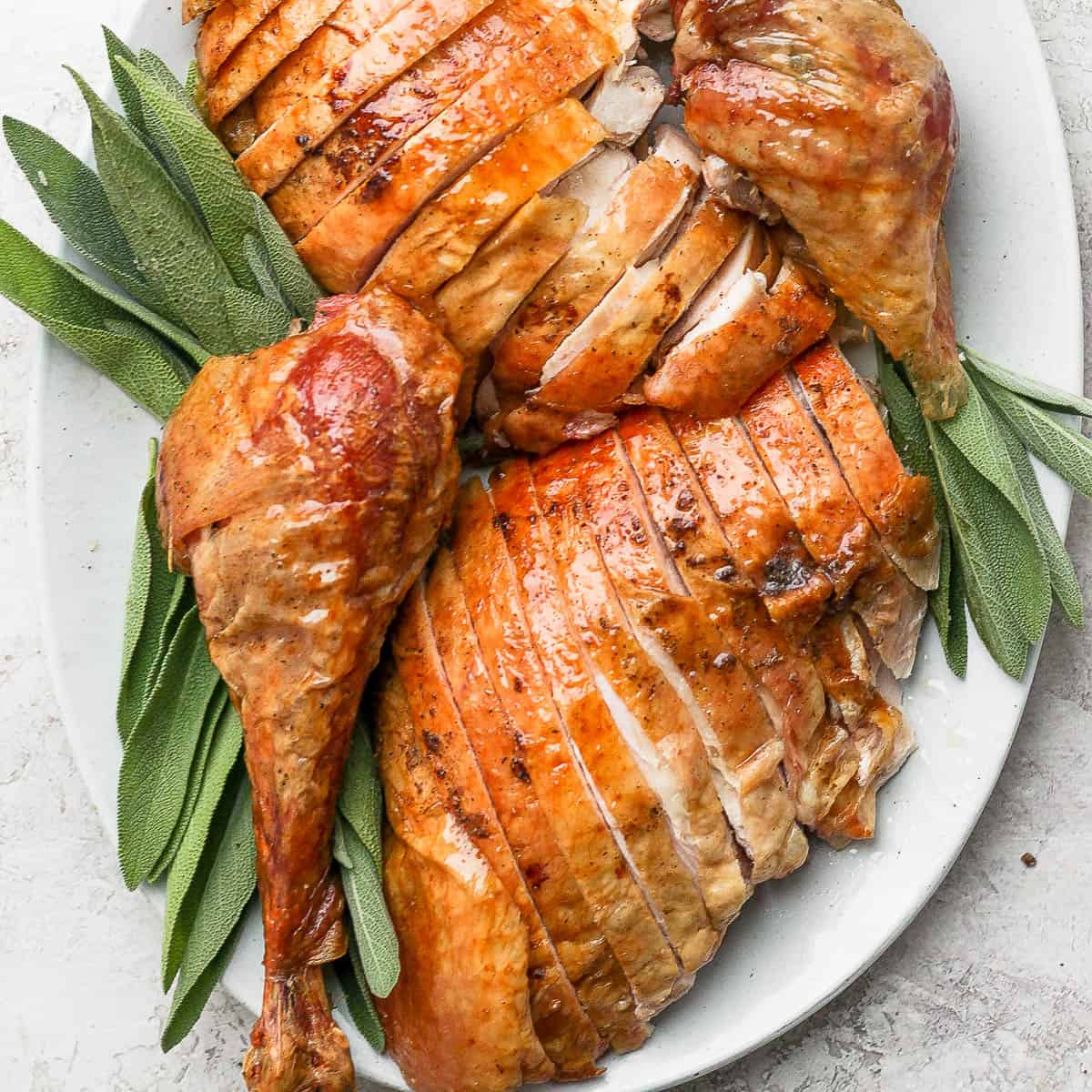
Free Your Oven: Easy Smoked Turkey for Thanksgiving Success
Thanksgiving is a feast for the senses, but for many home chefs, it's also a logistical puzzle, primarily centered around one coveted appliance: the oven. Imagine a Thanksgiving where your oven is free for casseroles, pies, and roasted vegetables, while your show-stopping turkey cooks to perfection, filling your yard with an irresistible aroma. This dream can become your reality with the ultimate smoked turkey recipe. Ditch the dry, oven-baked bird and embrace a succulent, flavor-infused centerpiece that will have your guests raving and your kitchen stress-free.
Why Choose Smoked Turkey This Thanksgiving?
Beyond the obvious benefit of freeing up oven space, smoking your Thanksgiving turkey introduces a depth of flavor and unparalleled juiciness that traditional roasting simply can't match. The low and slow cooking process, combined with aromatic wood smoke, transforms a humble turkey into a culinary masterpiece. You'll achieve a beautifully burnished, seasoned crust that perfectly complements the moist, tender meat within. It's a game-changer for your holiday menu, offering a unique twist that’s both familiar and exciting. The process, while requiring patience, is surprisingly straightforward and incredibly rewarding, guaranteeing a turkey that's not just good, but truly unforgettable.
The Foundation: Prepping Your Turkey for Perfection
The secret to an incredibly juicy smoked turkey begins long before it ever touches the grill. Proper preparation is paramount, ensuring maximum flavor penetration and moisture retention. This stage sets the stage for the ultimate smoked turkey recipe success.
The Art of Brining
Brining is arguably the most critical step for a moist turkey. It infuses the meat with flavor and helps it retain moisture during the long smoking process. Here's how to master it:
- Choose Your Vessel: The night before you plan to smoke, select a cooler that's just large enough to comfortably hold your turkey. This minimizes the amount of brine needed.
- Measure Your Liquid: Place your defrosted turkey into the cooler and add enough water to completely submerge it. This helps you accurately gauge the volume of liquid required.
- Create the Brine: Remove the turkey, then add equal parts salt and sugar to the water, stirring vigorously until both are fully dissolved. For added depth, consider incorporating bay leaves, peppercorns, garlic, or orange peels into your brine.
- Brine Time: Return the turkey to the brine, ensuring it's fully covered. Add a generous amount of ice to the cooler to maintain a food-safe temperature of approximately 40°F (similar to refrigerator temperature). Let the turkey brine for 12-24 hours.
Essential Turkey Prep Before the Smoke
Once brined, a few more steps are needed before your turkey is ready for the smoker:
- Defrost Completely: Ensure your turkey is 100% defrosted. A frozen or partially frozen turkey will cook unevenly and extend your smoking time significantly, potentially compromising food safety.
- Optimal Size: For the best results and to avoid prolonged cooking in the food safety danger zone (40-140°F), we recommend a turkey under 15 pounds. Larger birds take much longer to cook, increasing the risk of bacterial growth.
- Bring to Room Temperature: Remove your turkey from the brine, discard the liquid, and give the bird a thorough rinse under cold water to remove excess salt. Pat it dry with paper towels. Then, let it rest on the counter for a couple of hours to come closer to room temperature. This promotes more even cooking.
- Cavity Clearance: Ensure the turkey's cavity is completely clear. Any giblets or neck should be removed.
- Flavorful Rub: While a classic turkey rub works beautifully, consider a homemade BBQ rub for an extra layer of complexity, creating that irresistible seasoned crust. Alternatively, a simple yet effective approach is to rub the entire skin with olive oil and then season generously with salt and black pepper.
Mastering the Smoke: Technique & Temperature
The heart of an ultimate smoked turkey recipe lies in controlling your smoker and understanding the nuances of low and slow cooking. This stage transforms your brined bird into a tender, smoky delight.
Setting Up Your Smoker (Any Grill!)
The beauty of smoking a turkey is its versatility. Whether you're working with a dedicated electric smoker, a gas grill, or a traditional manual smoker, the principles remain consistent:
- Consistent Temperature: Your primary goal is to maintain a stable ambient temperature of 225°F. If using a manual smoker or gas grill, aim for a range between 225-250°F. Patience and consistent monitoring are key.
- The Right Smoke: Look for thin, wispy, light blue smoke – often referred to as "blue smoke." This indicates a clean burn and imparts the best flavor. Thick, white, acrid smoke means your wood isn't burning efficiently and will lead to an undesirable taste.
- Wood Choice: Apple wood chunks are highly recommended for turkey, providing a sweet, fruity smoke that complements the poultry beautifully. Ensure you have enough of your chosen energy source (charcoal, pellets, propane, gas) to last for several hours.
- Essential Equipment:
- Disposable Drip Pan: A large turkey produces a lot of drippings. A disposable drip pan placed beneath the turkey is crucial for catching these flavorful juices, which can later be used for gravy.
- Reliable Thermometer: A high-quality digital thermometer is non-negotiable for monitoring both ambient and internal turkey temperatures. Tools like the Thermaworks Dot are highly recommended for their accuracy and reliability.
- Water Bottle: Keep a water bottle handy for spritzing the turkey during cooking, which helps keep the skin moist and promotes smoke adhesion.
- Smoker Box (for Gas Grills): If using a gas grill, a smoker box filled with wood chips or chunks is essential to impart that signature smoky flavor.
The Smoking Process: Low, Slow, and Flavorful
With your smoker prepped, it's time to introduce your star:
- Initial Setup: Place your prepared turkey in a sturdy roasting tin. Add a couple of inches of water to the bottom of the tin; this helps maintain moisture in the smoker environment. Loosely cover the tin with aluminum foil for the initial phase of smoking.
- Smoking Time: Smoke at 225°F. A good guideline is 25-30 minutes per pound. For instance, a 10-pound turkey will typically take around 5 hours. Monitor the internal temperature, not just the clock.
- Infusing Smoke: Add apple wood to your fire every 30 minutes for the first three hours. This focused application of smoke ensures deep flavor penetration without overwhelming the turkey.
The Grand Finale: Achieving Crispy Skin
While a smoked turkey is wonderfully juicy, achieving that perfectly browned, crispy skin requires a final touch:
- The Last Hour: Approximately one hour before your turkey is expected to be done, remove it from the roasting tin and discard the foil.
- Baste for Browning: Generously baste the turkey skin with melted butter. This not only enhances flavor but also promotes browning and helps achieve that desirable crispy texture. Continue to smoke until the desired internal temperature is reached.
Pitmaster Secrets for Unforgettable Flavor
Beyond the core brining and smoking techniques, a few pitmaster tips can elevate your smoked turkey from great to truly legendary.
Flavor Boosters: Rubs & Aromatics
- Beyond the Brine: While the brine does wonders, a quality BBQ rub applied liberally to the exterior before smoking creates a fantastic bark and adds a complex layer of flavor. Don't be shy with the seasoning!
- Cavity Aromatics: While some pitmasters opt to leave the cavity empty, we find that stuffing it with aromatics adds a subtle, fragrant layer of flavor that permeates the turkey during the long cook. Consider filling the cavity with halved oranges and lemons, several cloves of garlic (smashed), fresh sprigs of rosemary, and a generous dollop of butter. These ingredients release steam and flavor into the bird from the inside out.
Timing and Internal Temperature: The Golden Rules
Precision is key to a perfectly cooked, safe, and juicy turkey:
- Always Use a Thermometer: We cannot stress this enough. An accurate digital thermometer is your best friend. Insert it into the thickest part of the breast, avoiding bone.
- Target Temperature: Smoke your turkey until the thickest part of the breast reaches an internal temperature of 180°F. While 165°F is the minimum safe temperature, many pitmasters aim for 180°F in the breast for ultimate tenderness and juiciness, especially after resting. The dark meat can safely go higher.
- The Rest is Best: Once your turkey reaches its target temperature, remove it from the smoker. Tent it loosely with aluminum foil and let it rest for a minimum of 30 minutes, or even up to an hour, before carving. This crucial step allows the juices to redistribute throughout the meat, resulting in an incredibly moist and flavorful turkey. Skipping the rest will lead to dry meat, no matter how perfectly it was cooked.
- Strategic Timing: Aim to have your turkey finished and resting about 30 minutes before you plan to serve. It's always better to have the turkey ready a bit early and resting under foil than to have your hungry guests waiting.
Embracing the ultimate smoked turkey recipe means unlocking a new dimension of flavor and convenience for your Thanksgiving celebration. By following these comprehensive steps, from meticulous brining to precise temperature management and thoughtful flavor additions, you’re not just cooking a turkey – you’re crafting an experience. Free your oven, savor the aroma, and delight in a Thanksgiving centerpiece that’s juicy, smoky, and absolutely unforgettable. This year, make your holiday feast truly exceptional.
